

Version: 9.0.13
Developer: Google LLC
 Verified App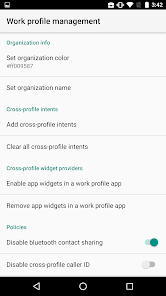

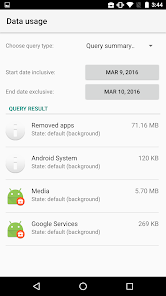
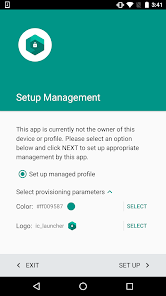
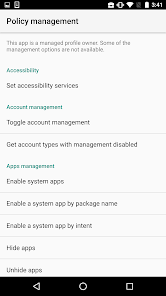
"Test DPC" is a versatile application designed to facilitate the testing and development of Android applications. One of its standout features is the ability to simulate various device configurations, allowing developers to test their apps under different conditions. This includes emulating different screen sizes, resolutions, and Android versions, which is crucial for ensuring compatibility across a wide range of devices.
Another key feature is the built-in debugging tools that help developers identify and resolve issues quickly. The application provides real-time logs and performance metrics, enabling users to monitor their app's behavior during testing. Additionally, "Test DPC" supports the management of device policies, making it easier for developers to implement and test enterprise features. The user-friendly interface simplifies navigation, allowing developers to focus on their testing without getting bogged down by complex settings.
Overall, "Test DPC" is an essential tool for Android developers, offering a comprehensive suite of features that streamline the testing process and enhance app quality.
Using "Test DPC" is straightforward and user-friendly, making it accessible for developers of all skill levels. To get started, first, download and install the application from the official source. Once installed, launch the app and follow the on-screen instructions to set up your testing environment. You will need to configure the device policies according to your testing requirements, which can include setting up restrictions, enabling or disabling features, and managing user accounts.
After configuring the necessary settings, you can begin testing your application. Use the simulation features to emulate different device scenarios, such as varying screen sizes and Android versions. This allows you to observe how your app performs under different conditions. Additionally, take advantage of the debugging tools to monitor logs and performance metrics in real-time. This will help you identify any issues that may arise during testing. Finally, make sure to document your findings and make necessary adjustments to your app based on the results.
By following these steps, you can effectively utilize "Test DPC" to enhance your app development and testing process.
"Test DPC" offers several advantages that make it a valuable tool for Android developers. One of the primary benefits is its ability to simulate various device configurations, which is essential for ensuring that applications function correctly across different devices. The built-in debugging tools provide real-time insights into app performance, allowing developers to quickly identify and fix issues. Additionally, the user-friendly interface simplifies the testing process, making it accessible even for those who may not be highly experienced in app development.
However, there are some drawbacks to consider. One limitation is that "Test DPC" may not cover all possible device scenarios, which could lead to gaps in testing. Furthermore, while the app is designed for testing purposes, it may not fully replicate the behavior of a physical device, potentially resulting in discrepancies between test results and real-world performance. Lastly, some users may find the initial setup process to be somewhat complex, especially if they are unfamiliar with device policy management.
In summary, while "Test DPC" has its pros and cons, its benefits often outweigh the drawbacks, making it a useful tool for developers looking to enhance their app testing processes.
```
 #N/A
#N/A 
 #N/A
#N/A  Google Play
  App Store
 Spotify Wrapped is an annual feature that summarizes your listening habits, including your most-played songs and artists of the year.
To create a playlist, click "Your Library," then "Playlists," and select "Create Playlist." Add songs by searching or browsing.
Yes, with a Spotify Premium subscription, you can download songs and playlists for offline listening.
Spotify offers a free tier with ads, as well as a Premium subscription that removes ads and adds features.
Click the three dots next to the song, select "Share," and choose your preferred sharing method, like social media or a link.