
Version: 24
Developer: Asteroid Tech
 Verified App
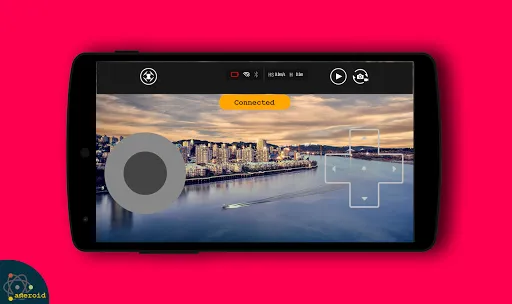
Drone remote controls are equipped with a variety of features that enhance the flying experience and improve the functionality of the drone. One of the primary features is the ability to control the drone's altitude, direction, and speed, allowing for precise maneuverability. Many remote controls also include a built-in display that provides real-time telemetry data, such as battery life, GPS location, and altitude, which is crucial for safe flying.
Another significant feature is the integration of advanced flight modes, such as follow-me, waypoint navigation, and orbit mode, which enable users to capture stunning aerial footage with minimal effort. Some remote controls come with customizable buttons that allow users to program specific functions, enhancing the overall user experience. Additionally, many modern drone remote controls support smartphone connectivity, enabling users to access live video feeds and control the drone through dedicated apps.
Finally, safety features such as return-to-home functionality and obstacle avoidance sensors are increasingly common, providing an added layer of security during flights. These features collectively make drone remote controls user-friendly and versatile, catering to both beginners and experienced pilots alike.
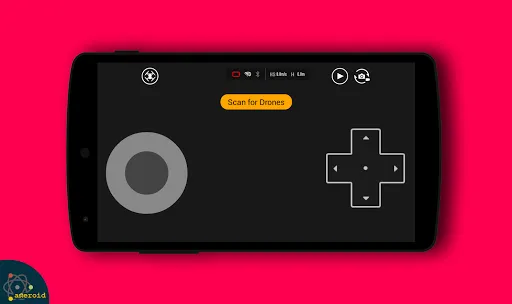
Using a drone remote control effectively requires a basic understanding of its components and functions. First, ensure that the remote control is fully charged and paired with the drone. This usually involves turning on both devices and following the manufacturer's instructions for pairing. Once connected, familiarize yourself with the control layout, which typically includes joysticks for navigation, buttons for camera functions, and switches for various flight modes.
Before taking off, conduct a pre-flight check to ensure that the drone is in good condition, with fully charged batteries and functioning propellers. Once ready, find an open area free from obstacles and people. Start the drone by following the takeoff procedure, which often involves pushing the throttle stick upward. As you gain confidence, practice basic maneuvers such as hovering, turning, and ascending or descending. Always keep the drone within your line of sight and be aware of your surroundings to ensure a safe flying experience.
Finally, after completing your flight, safely land the drone by gradually lowering the throttle and following the landing procedure. Regular practice will help you become more proficient in using the remote control, allowing you to explore advanced features and flight modes over time.
Drone remote controls come with several advantages that enhance the flying experience. One of the primary benefits is the level of control they provide, allowing users to maneuver their drones with precision. This is particularly important for capturing high-quality aerial footage or performing complex maneuvers. Additionally, many remote controls offer customizable settings, enabling users to tailor their flying experience to their preferences. The integration of safety features, such as return-to-home and obstacle avoidance, further enhances the safety of drone operations.
However, there are also some drawbacks to consider. One significant con is the learning curve associated with using a remote control, especially for beginners. It may take time to become proficient in operating the drone, which can be frustrating for new users. Furthermore, the reliance on batteries means that both the drone and the remote control can run out of power during a flight, potentially leading to crashes if not monitored closely. Lastly, some remote controls can be expensive, adding to the overall cost of drone ownership.
In summary, while drone remote controls offer numerous benefits that enhance the flying experience, they also come with challenges that users must navigate to ensure safe and effective operation.

 #N/A
#N/A 
 #N/A
#N/A  Google Play
  App Store
 Spotify Wrapped is an annual feature that summarizes your listening habits, including your most-played songs and artists of the year.
To create a playlist, click "Your Library," then "Playlists," and select "Create Playlist." Add songs by searching or browsing.
Yes, with a Spotify Premium subscription, you can download songs and playlists for offline listening.
Spotify offers a free tier with ads, as well as a Premium subscription that removes ads and adds features.
Click the three dots next to the song, select "Share," and choose your preferred sharing method, like social media or a link.