
Version:
Developer: Apple
 Verified App
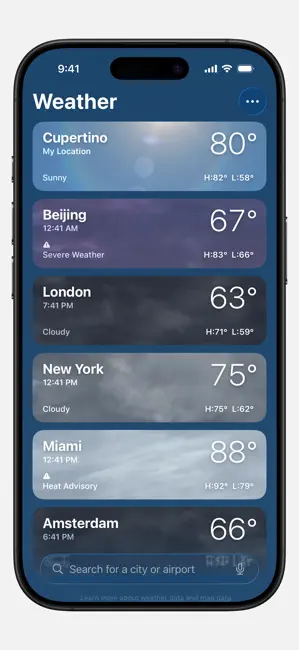
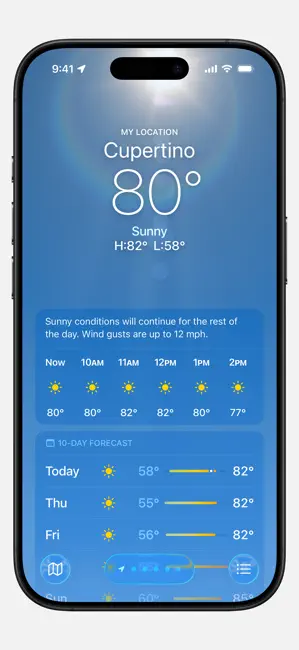
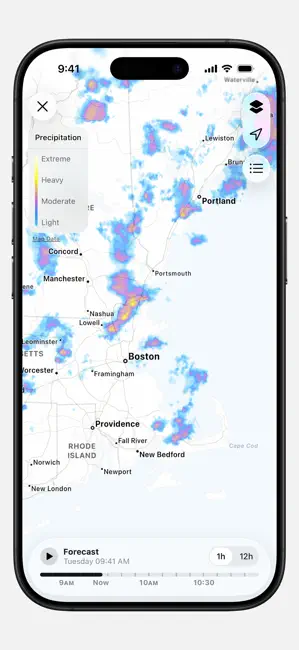


The Weather app stands out in a crowded market, offering an array of features that elevate it beyond a simple weather forecaster. Here are some of the core highlights that make it a must-have for anyone who wants to stay informed about the weather.
As someone who loves the outdoors, I frequently rely on the Weather app to keep tabs on conditions that can affect my plans. Just last week, I decided to take a hike in the mountains. Before heading out, I opened the app to check the current temperature, wind speed, and any potential storms. The real-time updates gave me the confidence to go ahead with my plans, knowing that I was well-informed. Additionally, during a recent road trip, I used the interactive radar map feature to avoid a heavy rainstorm that appeared out of nowhere, allowing me to take a scenic detour instead.
The user interface of the Weather app is sleek and intuitive, making navigation a breeze. Upon opening the app, I’m greeted with a beautifully designed dashboard that prominently displays the current weather conditions. Swiping through various tabs to access hourly forecasts, radar maps, and severe weather alerts feels smooth and responsive. I appreciate the attention to detail in the visual design; the colors are vibrant yet soothing, and the layout is organized without feeling cluttered. Performance-wise, the app loads quickly, and I’ve never encountered any significant lag. Overall, my experience with the app has been overwhelmingly positive, making it an indispensable part of my daily routine.
The Weather app is free to download, which is fantastic considering the wealth of features it offers. While there are optional premium features available for a monthly subscription, the free version provides ample functionality for most users. I have found that the free version meets all my weather needs, making it a great value without any upfront costs.
The developers of the Weather app are committed to providing regular updates that enhance functionality and fix bugs. I’ve noticed that they listen to user feedback, often implementing requested features in new releases. Support is accessible through the app, with a dedicated help section and a responsive customer service team. Whenever I’ve had a query, I’ve received prompt assistance, which reinforces my trust in the app.
As an American user, I take my security and privacy seriously, and the Weather app respects these concerns effectively. It is available on both the App Store and Google Play, ensuring a level of trustworthiness through these official platforms. Upon registration, the app requires minimal personal data, asking primarily for location access to provide accurate forecasts. This is crucial for a weather app, but it does raise some eyebrows regarding tracking behavior. However, I have not seen intrusive ads or excessive tracking while using the app, which is a relief. The privacy policy is transparent, explaining how data is used, and I appreciate that I can opt out of any non-essential data collection. Overall, the Weather app strikes a good balance between functionality and user privacy, making it a reliable choice for the security-conscious user.

 Stay updated with real-time forecasts Get accurate weather alerts daily Enjoy user-friendly interface design Access detailed radar maps easily Customize notifications for your area
 Limited accuracy in forecasts Data may not update quickly User interface can be cluttered Ads can disrupt user experience
  Google Play
  App Store
 Many Weather apps are free to download and use, but some may offer premium features or ad-free experiences through a subscription model. Users can often choose to subscribe for additional functionalities, such as advanced radar maps, extended forecasts, or enhanced alert systems. It's important to review the app's details in the app store for specific pricing and features.
Yes, most Weather apps offer customization options for display settings. Users can adjust units of measurement (e.g., Celsius or Fahrenheit), select different themes or color schemes, and choose what information is shown on the main screen. This allows users to tailor the app to their preferences for a more personalized experience.
Yes, many Weather apps offer notifications for severe weather conditions such as thunderstorms, tornadoes, hurricanes, and floods. Users can customize their alert settings based on their preferences, ensuring they receive timely updates and safety information relevant to their area. These alerts can be crucial for planning and ensuring safety during extreme weather events.
While most features of the Weather app require an internet connection to provide real-time data, some apps allow users to access previously downloaded weather data offline. This may include the last known forecast or downloaded radar images. However, for the most accurate and up-to-date information, it is recommended to have an active internet connection.
The accuracy of the weather information depends on the data sources used by the app, which typically include national meteorological services and private weather data providers. Most reputable weather apps strive to provide accurate forecasts, but keep in mind that weather can be unpredictable and subject to change. Users are encouraged to check for updates regularly for the most current information.
You can contact customer service through the app's settings or visit the support section on the official website for assistance.
To activate premium features, navigate to the subscription section in the app and follow the prompts to purchase and enable them.
The customer number is usually found in the app's settings under the "About" or "Help" section.
Open the app, click on the login button, and enter your registered email and password to access your account.