

Category: Board
Developer: Chess Prince
 Verified App


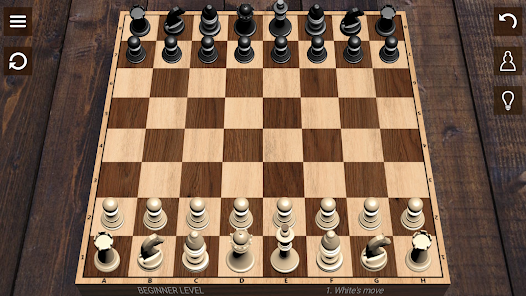
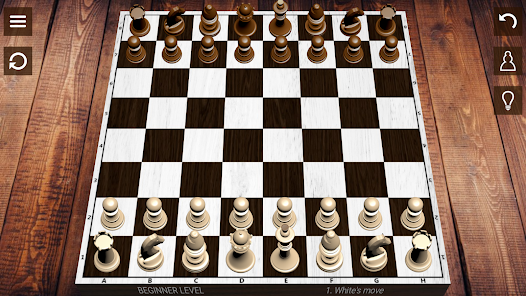
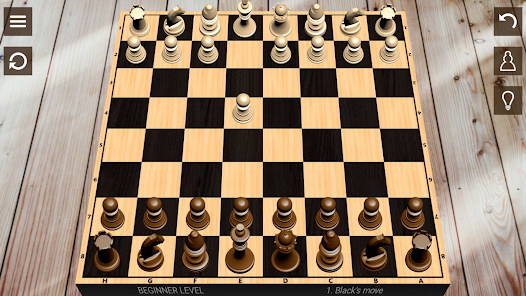
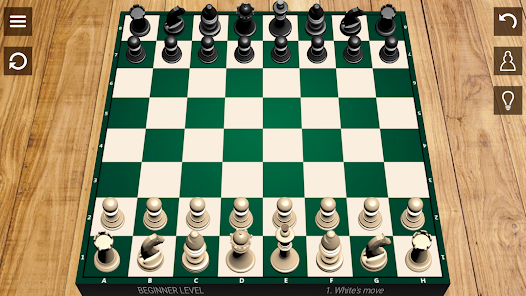
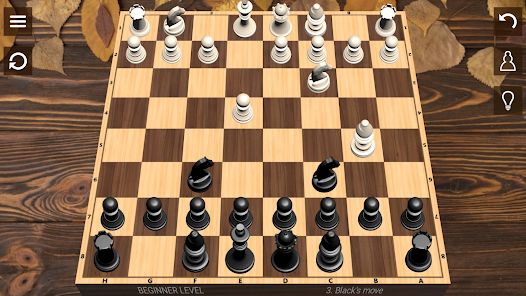
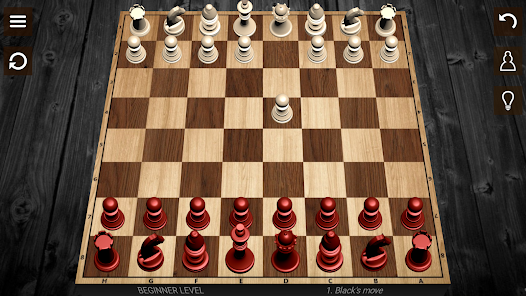
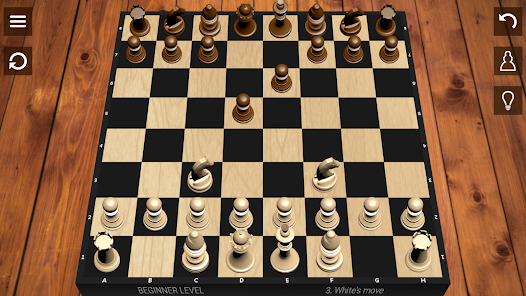
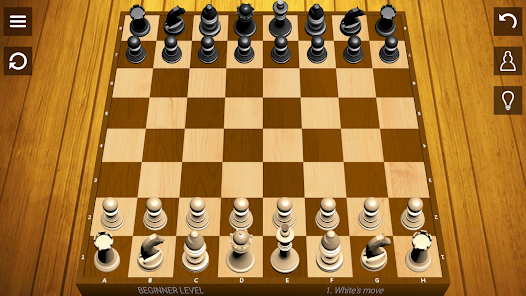
Chess, the classic game of strategy, has made a seamless transition into the digital age with an app that is both engaging and user-friendly. Here are some of the standout features that make the Chess app a must-have for both novice and experienced players.
In my daily life, the Chess app has become a reliable companion. I often find myself using it during my morning commute. The ability to play short games while waiting for the train has transformed what used to be idle time into productive practice. Additionally, during weekends, I host virtual chess nights with friends across the country. We set up our games using the app, which has made our gatherings more engaging, despite the distance.
The user interface of the Chess app is intuitive and easy to navigate. Upon launching the app, I was greeted with a clean design that showcases various options right on the home screen. The feature workflow is seamless; moving from tutorials to live games is just a tap away. The performance is commendable; I have never experienced lag or crashes, even during intense matches. Overall, my feelings towards the app are overwhelmingly positive. It successfully merges functionality with an enjoyable experience, making chess accessible and fun.
The Chess app operates on a freemium model. While the basic features are accessible for free, a subscription unlocks premium content such as advanced tutorials and exclusive game analyses. I found the pricing reasonable, especially considering the depth of content available at my fingertips. The option to try before you buy is an added bonus that I appreciate.
The developers of the Chess app are quite proactive when it comes to updates. I’ve noticed regular enhancements that introduce new features and improve overall performance. Customer support is also commendable; I reached out once with a query about a game glitch, and I received a helpful response within 24 hours. This level of support reassures me that the app developers are committed to maintaining a high-quality user experience.
As an American user, security and privacy are paramount when using any app, including Chess. The app is available on both the App Store and Google Play, which adds a layer of credibility to its security measures. During registration, I found that the app only required minimal personal information, which is a significant plus for privacy-conscious users. The app does not bombard users with ads, which is refreshing, and it also adheres to strict data protection policies, ensuring that my information remains private.
Furthermore, I didn't notice any invasive tracking behavior while using the app. This gives me peace of mind, knowing that my gaming experience is not compromised by unwanted data collection. Overall, the Chess app prioritizes user security and privacy, making it a trustworthy platform for all chess enthusiasts.

 Enhances critical thinking and problem-solving skills Improves concentration and focus during gameplay Fosters patience and strategic planning abilities Encourages creativity and imaginative thinking Builds resilience through learning from losses
 Chess can be time-consuming to play. It requires intense mental concentration. Beginners may find it overwhelming and complex. Limited physical activity can lead to health issues.
Sturdy chess app. Play against different levels of AI. "Wild Chess" has some fun scenarios. I only wish there were a setting so that if you move your king back and forth 3 times, it calls a draw. it calls a draw for the ai side readily, but there is no draw for the human player - it just plays on and it gets very boring to run your king around aimlessly. when this happens, i have to quit to menu and start over.
WOW! WHERE DO I EVEN BEGIN! Nice and simple and easy to use. I love how you can switch from 2d chess board to 3D. I prefer 2D from the top view. But you can choose what you want. It never freezes . Helps you learn more. You can review your game after. It let's you go back in case you made a mistake. I would recommend this to anyone beginning and or middle to good level .

I think this app is very good, but there are one thing that I wish were added to make it closer to 5 stars. I wish I needed to confirm that I want to undo a move the first time I click it as too many times I've accidentally undone a move which no longer longer counts even if you make the exact same move and the computer seems to play a lot worse. Edit: Originally, I didn't think you could analyze moves once you got to the last move, but you can as long as you select "Back" first.
It's a good app in my opinion. It does exactly as it says it does and does it well. I've seen a few reviews about the game being buggy or the CPU cheating, but in the 5 months ive been playing, I havent seen a single thing they are claiming. There are ads like any other free game, but it's only a one image ad at the end of the match.(no 30 second videos or that nonsense) The only reason I'd give this a 4 star, is because the CPU tends to get very wonky when there are only a few pieces left.
I enjoyed that it allows you to progress from beginner and win your way to tougher games. I cheated & moved 1 turn back. I think it would force me to get tougher if I had to suffer for my errors. Still it's a great trainer. Keep on enjoying it. I haven't played in years. I'd like to try more master openings. I've forgotten most. But the Sicilian defense can be employed nicely here. Great setup! Thanks for letting me see what I've lost verses retained. It definitely has nice pieces Best wishes!
Review Source: Google Play store public user reviews.
Yes, Chess may collect personal data such as your email address, gameplay statistics, and preferences to enhance your experience and provide personalized content.
Chess typically offers a free version with limited features, and some apps may also provide a free trial period for premium features.
While you can play against AI opponents offline, an internet connection is required for online multiplayer games and accessing certain features like puzzles and leaderboards.
You can contact support or send feedback through the app’s help or support section, typically found in the settings menu, or by visiting the official website for customer service options.
You can manage or cancel your Chess subscription through the app store settings on your device or by visiting the subscription management section within the app.
You can reach customer service through the app's settings or visit the official website for support options.
The customer number can typically be found in the app under 'Help' or 'About Us' sections.
Open the app, click on 'Log In', and enter your registered email and password.
If required, follow the email instructions sent after your purchase to activate your account.
• GAME CURRENCY: Introducing GP! Earn points for victories and daily visits.• FREE PREMIUM: Now you can unlock Premium features using your earned GP.• SKILL BONUS: Get more GP for "clean" wins without using hints or undos.• DAILY GIFTS: Check in every day to claim your bonus GP pack!












 Google Play
  App Store